October 14, 2026
Owning a swimming pool brings endless fun, but keeping the water sparkling requires two distinct operational tasks. While many people combine these terms, clear water relies on both surface care and mechanical upkeep. Routine pool maintenance works hand-in-hand with daily surface cleaning to guarantee a safe, crystal-clear swimming environment for your family.
Proper water management goes far beyond removing visible leaves from the surface on warm sunny days. According to the CDC, keeping the water within a pH range of 7.0 and 7.8 helps balance the effectiveness of disinfection, swimmer comfort, and the longevity of pool pipes and equipment. Professional care combines chemical balancing with mechanical inspection to keep every component operating at peak efficiency.
Distinguishing Visual Care From System Operations
Visual care focuses on removing physical debris and maintaining pristine aesthetics throughout the swim area. Skimming floating leaves, brushing tile lines, and vacuuming settled sediment off the floor belong strictly to routine sanitation. Eliminating surface debris immediately keeps organic contaminants from clogging skimmer baskets and choking circulation intake lines. These tasks keep organic matter from breaking down inside the basin and clouding the water. Clear water creates an inviting atmosphere that encourages family fun and effortless relaxation.
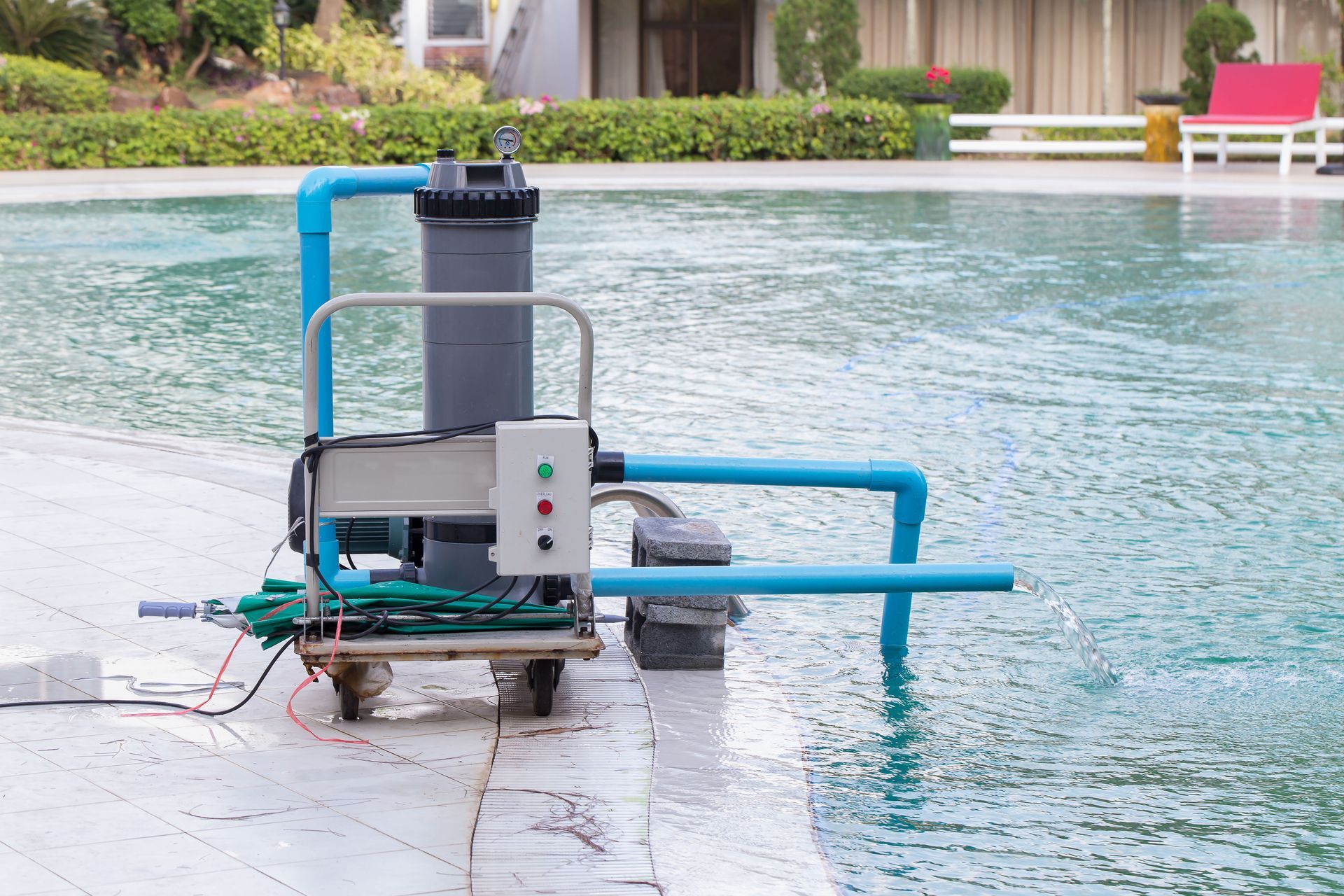
Mechanical upkeep addresses the complex machinery working behind the scenes to circulate and filter water. Professional pool maintenance keeps pumps, skimmers, heaters, and filtration media operating at peak mechanical performance. Technicians check motor amps, verify filter pressure gauges, and clear internal impellers to prevent costly mechanical breakdowns. Continuous monitoring of drive belts and pump seals keeps system noise low and energy efficiency high. Inspecting mechanical components regularly keeps water moving smoothly through all plumbing lines and returns.
Combining both disciplines creates a complete system that protects your backyard investment year-round. Skipping surface sanitation allows debris to clog filtration baskets, while neglecting mechanical checks stresses circulation equipment. Professional care bridges the gap between surface appearance and deep mechanical health seamlessly. Balancing superficial cleanliness with mechanical reliability provides total peace of mind for every homeowner.
Balancing Water Chemistry For Safety
Chemical management involves far more than simply dropping sanitizer tablets into floating dispensers periodically. Expert technicians analyze total alkalinity, acid levels, combined chlorine, and calcium hardness during every site visit. Testing acidity specifically stops chlorine lock, preventing situations where full sanitizer levels become completely ineffective. Precision dosing protects swimmers from eye irritation while killing harmful bacteria and algae spores rapidly. Proper chemical balancing prevents dull water and keeps every swim session completely refreshing.
Water chemistry directly impacts structural surfaces, underground plumbing lines, and heating elements over time. According to industry guidelines, improperly balanced water strips plaster coatings, corrodes metal ladder legs, and scales internal heater tubes. Professional pool maintenance includes granular chemical adjustments that shield expensive mechanical equipment from aggressive corrosive damage. Regular testing prevents chemical spikes that cause copper staining on step treads and underwater bench seats. Maintaining balanced chemical parameters protects structural finishes and extends hardware operational lifespans significantly.
Consistency remains the absolute key when managing complex aquatic chemistry across changing weather conditions. Heavy rainfall, intense sunlight, and heavy bather loads alter chemical equilibrium within hours. Skilled specialists track historical chemical trends across seasonal shifts to anticipate necessary dosing changes. Dependable chemical management preserves ideal swimming conditions regardless of extreme summer weather events.
Servicing Core Filtration Equipment For Circulation
Filtration systems capture microscopic particles and suspended debris to maintain exceptional water clarity daily. Sand filters require periodic cleaning, cartridge units need thorough deep washing, and DE systems require fresh earth media recharges. Routine media cleaning prevents fine particulates from bypassing saturated filter beds and recirculating back into the basin. Removing trapped contaminants restores full hydraulic flow rates across all return lines and step jets. Efficient filtration prevents cloudy water and reduces overall sanitizer demand across warm summer months.
Circulation pumps act as the beating heart of your entire backyard aquatic facility. Service technicians inspect shaft seals, lubricate ring gaskets, and evaluate motor thermal overloads to avoid unexpected mechanical failures. Proper pool maintenance keeps pump impellers clear of trapped pine needles, small pebbles, and palm seeds. Checking vibration levels helps identify shaft misalignment before severe motor bearing damage occurs. Smooth pump operation maintains optimal turnover rates necessary for consistent sanitizer distribution everywhere.
Filter valves and multi-port assemblies demand expert evaluation to prevent hidden internal water leaks. Worn spider gaskets and cracked valves allow unfiltered water to bypass internal filter beds entirely. Technicians verify pressure differential readings to determine exact cleaning schedules for all internal filter components. Rigorous equipment servicing makes sure every gallon of water passes through filtration media cleanly.
Protecting Structural Components From Damage
Surfacing materials like plaster, pebble aggregate, vinyl, and tile require continuous monitoring to prevent degradation. Scale deposits form rough patches along waterline tiles, while aggressive water carves miniature pits into smooth plaster surfaces. Technicians inspect expansion joints, coping stones, and underwater light fixtures for signs of wear. Early detection of surface changes prevents widespread structural deterioration caused by continuous sun exposure and intense UV rays.
Underwater fittings, main drain covers, and skimmer throats face constant hydraulic pressure during pump operations. Certified specialists check safety suction covers to prevent hazardous entrapment risks for active swimmers. Professional pool maintenance includes verifying that all drain covers meet current safety standards and remain firmly fastened. Replacing worn skimmer doors stops floating debris from drifting back into the main swimming area when pumps cycle off. Intact structural hardware prevents accidental water loss and preserves user safety during heavy use.
Decking materials and coping perimeters require proper sealing to stop water intrusion behind basin walls. Water seeping behind tile lines causes premature delamination and structural cracking during heavy rainy seasons. Experts evaluate outer deck seals and expansion joints to keep groundwater away from buried pool walls. Protecting structural barriers safeguards the entire installation against shifting soils and hydraulic pressure.
Managing Year-Round Florida Swimming Seasons And Storms
Florida pools remain active throughout all twelve months, requiring continuous care without extended seasonal shutdowns. Professional technicians adjust pump run times and sanitizer levels to match shifting sun angles and fluctuating water temperatures. Maintaining active filtration throughout mild winter months prevents sudden algae blooms when warm weather returns unexpectedly. Year-round operational care protects your pool from stagnant water issues that occur when systems sit idle.
Tropical weather patterns and heavy afternoon downpours demand specialized pre-storm and post-storm management strategies. Before major storms arrive, technicians verify water levels and secure equipment covers to protect mechanical motors. Following heavy rain events, specialists shock the water to neutralize organic debris and rebalance diluted chemical levels rapidly. Proactive storm management protects pump motors from flooding and keeps water clear after severe tropical weather passes.
Sustained warmth and intense sunlight accelerate sanitizer burn-off and chlorine breakdown throughout the year. Experienced specialists monitor cyanuric acid levels to protect free chlorine from rapid UV destruction on hot afternoons. Adjusting chemical ratios according to seasonal sun intensity prevents sudden water cloudiness and algae outbreaks. Professional year-round management guarantees your backyard oasis stays inviting, healthy, and ready for swimming every single day.
Maintaining a pristine swimming environment requires combining surface sanitation with deep mechanical expertise seamlessly. Comprehensive pool maintenance protects water clarity, chemical safety, equipment longevity, and structural integrity across every season. Relying on professional expertise keeps your swimming area safe, beautiful, and completely operational for endless family enjoyment throughout the warm summer months. Reach out to LWR Pool Care Gulf Coast to schedule your comprehensive service and enjoy swimming in crystal-clear water.