October 28, 2026
A swimming pool represents a substantial financial and lifestyle investment, yet many homeowners assume that care can pause as soon as swimming season ends. When water sits dormant and surface activity ceases, the natural inclination is to turn off equipment, pack away testing kits, and ignore the basin until warm weather returns. However, an idle swimming pool remains in constant contact with dynamic outdoor elements, fluctuating atmospheric conditions, and micro-contaminants. Rain, windborne debris, organic matter, and temperature shifts exert continuous pressure on every gallon of water and square foot of structure. Neglecting an unused pool does not simply pause its operations; it accelerates physical deterioration, throws chemistry into disarray, strains circulation machinery, and depreciates real property value. By prioritizing consistent pool maintenance and repairs throughout periods of disuse, owners protect mechanical components, preserve hygiene standards, avoid catastrophic expenses, and ensure seamless seasonal transitions.
Protecting Physical Structures from Progressive Environmental Degradation
Every pool basin experiences sustained mechanical forces from surrounding soil, subterranean hydrostatic pressure, and seasonal temperature swings. When a pool is neglected during months of inactivity, minor hairline fissures can quickly develop into deep structural cracks. Water that penetrates vulnerable porous surfaces expands and contracts with ambient temperature shifts, degrading concrete foundations, gunite shells, and fiberglass shells. Moreover, building an entirely new installation is neither cheap nor readily accessible in the current economic landscape. According to the National Association of Home Builders, as of December 2025, pool construction permits were 34.3% lower than the January 2020 reading, the baseline for this index. The index was down 25.5% from the month prior and down 34.7% from one year ago. Because adding or replacing swimming installations has slowed across the housing market, preserving established assets through dedicated pool maintenance and repairs is far more viable and cost-effective than managing complete structural replacement projects later.
Safeguarding Mechanical Equipment and Vital Circulation Components
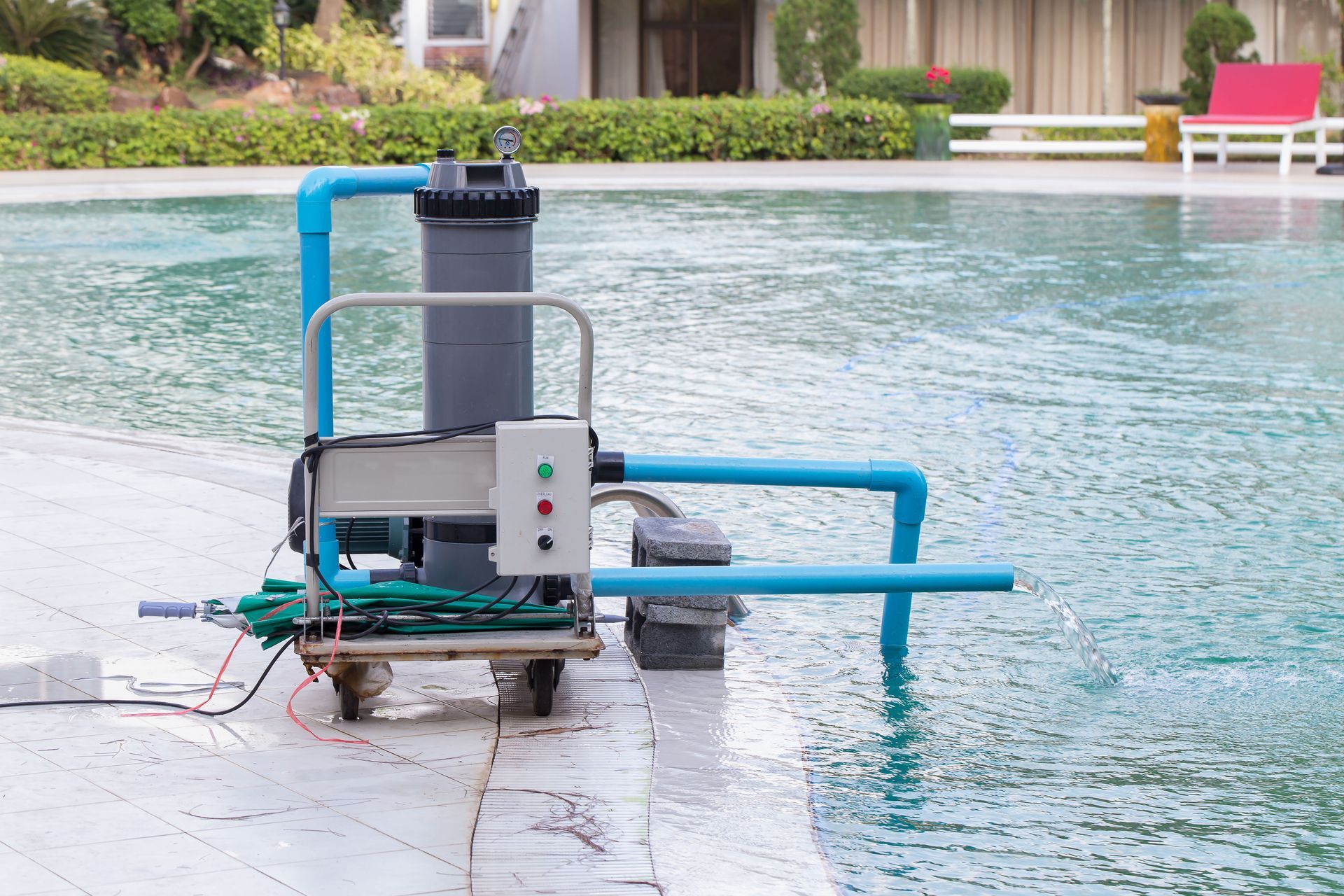
Behind every pristine pool lies an intricate mechanical network comprising circulation pumps, multiport valves, sand or cartridge filters, automated chlorinators, and electrical plumbing lines. These working parts rely on controlled fluid movement and proper lubrication to avoid seized impellers, dried seals, and brittle gaskets. When pool equipment sits idle without diagnostic checkups, moisture accumulates inside motor housings, causing internal corrosion and catastrophic electrical shorts upon restart. Unfiltered water leaves sediment that calcifies within internal plumbing manifolds, while decaying leaves create severe suction clogs that starve pumps of vital cooling water. Routine oversight prevents expensive motor burnouts and preserves delicate heater cores from acidic wear. Investing in ongoing pool maintenance and repairs on an orderly schedule reduces mechanical drag, maintains hydraulic efficiency, minimizes sudden breakdowns, and prevents the premature disposal of costly machinery when reopening season finally arrives.
Preserving Delicate Surfaces, Interior Liners, and Decorative Tiles
The decorative finishes lining pool interiors—whether aggregate plaster, smooth vinyl, pebble tech, or waterline porcelain tile—require stable water chemistry to survive. Inactive water stripped of active circulation allows heavy mineral deposits, calcium scale, and rust stains to bond directly to pool floors and walls. Unchecked chemical drift can turn water corrosive, stripping plaster binders and causing premature surface pitting, roughness, and fading. Vinyl liners frequently turn brittle, bubble, and pull away from coping tracks when left in unmonitored water conditions, while waterline tiles loosen as scaling weakens the setting bed. Replacing an entire pool surface represents one of the largest out-of-pocket expenses any homeowner can confront. Conducting attentive surface sweeping, routine tile brushing, and timely pool maintenance and repairs keeps finishes smooth, vibrant, and intact, preserving both architectural elegance and structural longevity for decades
Minimizing Lifetime Operational Costs Through Preventive Financial Management
A reactive approach to pool management is vastly more expensive than systematic preventative upkeep. When owners neglect their pool for months, restoring it requires thousands of gallons of freshwater, aggressive algaecides, emergency motor replacements, and deep professional scrubbing. By budgeting for routine pool maintenance and repairs, property owners eliminate surprise repair bills, maximize daily energy conservation, and optimize chemical expenditures. Well-maintained filtration systems require fewer chemical inputs to stay clean because clean sand and pristine cartridges extract fine suspended matter effortlessly. Furthermore, running tuned, variable-speed pumps during off-peak electrical periods reduces monthly power consumption without compromising water clarity. Small, continuous investments in scheduled upkeep eliminate emergency calls, control routine utility expenses, and preserve domestic finances from disruptive spikes caused by systemic neglect.
Maintaining Outdoor Visual Elegance and Bolstering Residential Property Value
A pool serves as a dominant focal point within any residential landscape. A sparkling, glass-like sheet of blue water elevates patio areas, framing outdoor kitchens, gardens, and entertaining decks with understated luxury. Conversely, a neglected, swampy pool dominated by brown scum, foul odors, and cracked tiles drags down the entire visual appeal of the home and draws complaints from neighbors. In competitive real estate markets, an impeccably maintained pool signals to prospective buyers that the entire property has received meticulous care. Proactively addressing pool maintenance and repairs prevents cosmetic decay that immediately raises red flags during home inspections, which otherwise causes buyers to demand steep price concessions or walk away entirely. Maintaining crystal-clear water and spotless coping year-round preserves community aesthetics and locks in the long-term equity value of the estate.
Preparing Strategic Mechanical Defenses Against Challenging Seasonal Shifts
Weather transitions place immense strain on residential plumbing systems, particularly during cold fronts and sudden freeze events. When temperatures approach freezing, water trapped inside uninsulated pipes, chlorinators, and pressure gauges expands, bursting valves and rupturing underground conduits. Responsible seasonal management involves clearing circulation lines, setting intelligent freeze-protection pump schedules, balancing total dissolved solids, and shielding delicate electronics from driving rain and dampness. Neglecting seasonal protocols invites massive subterranean pipe leaks that necessitate extensive pool maintenance and repairs once circulation pressure is restored in the spring. Implementing structured autumn preparation protocols and scheduling spring readiness checkups shields mechanical investments from unpredictable weather anomalies, ensuring all equipment stands ready for immediate, hassle-free operation.
Ensuring Seamless Seasonal Reopening Through Systematic Ongoing Supervision
When owners keep their swimming pools balanced and mechanically sound through quiet months, opening the pool in the spring is effortless. Instead of spending weeks draining green slime, pressure-washing stained plaster, and waiting on backordered replacement motors, homeowners can simply pull back the safety cover, adjust water levels, verify chemical parameters, and dive in. The emotional relief of knowing your recreational asset is instantly available provides tremendous peace of mind. Keeping the system running through proactive pool maintenance and repairs avoids the frustration, stress, and expense of lost swimming days when summer heat arrives. Sustained stewardship turns seasonal reopening into an afternoon celebration rather than an agonizing, drawn-out repair project.
Taking proactive steps to manage structural integrity, chemical balance, and operational health ensures that your backyard aquatic asset remains an enduring sanctuary rather than an overwhelming financial liability. Ongoing upkeep keeps equipment running at peak performance, stops dangerous surface staining, and keeps the water hygienic, clear, and ready for swimmers at any moment. Consistent attention throughout the off-season eliminates the stress of unexpected mechanical failures and safeguards your household investment for years to come. By staying ahead of minor issues before they escalate, you can enjoy absolute peace of mind knowing your outdoor retreat is always protected. For comprehensive oversight, preventative servicing, and expert pool maintenance and repairs, rely on the dedicated professionals at LWR Pool Care Gulf Coast to keep your system in flawless condition through every season of the year.